
Clean floors, clear entrances and well-kept customer areas shape how a store is experienced from the moment someone walks in. KV Cleaning Group provides retail cleaning in Sydney for shops, showrooms, supermarkets and shopping-centre tenancies. An agreed scope can cover sales floors, fitting rooms, counters, accessible glass, amenities and staff spaces.
Our retail cleaning services in Sydney are planned around the premises rather than a generic checklist. We consider the floor finish, customer movement, display fixtures, opening hours, access rules and the tasks that need attention at each visit. The written scope identifies the included areas and the agreed frequency.
Whether you manage a single retail shop or several locations, share the suburb, approximate floor area, trading hours and priority zones. The discussion can also cover stock deliveries, click-and-collect or returns areas, where those spaces form part of the cleaning boundary.
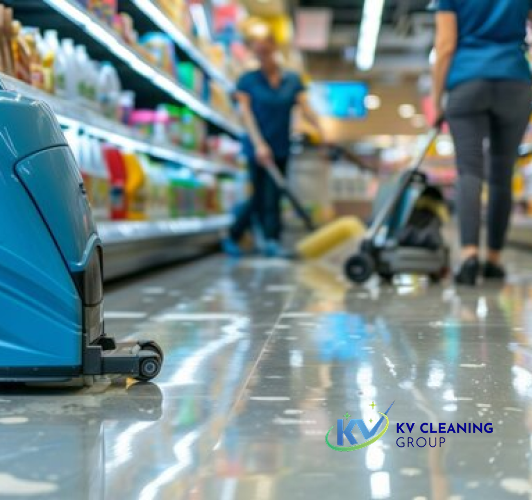
Retail cleaning services should separate customer-facing presentation from staff and stock-handling requirements. A boutique, supermarket, showroom and shopping mall tenancy do not use their floor space in the same way, so the scope should identify each zone and the task required there.
Depending on the premises and written scope, store cleaning services may include:
Frequency is based on how quickly each area becomes soiled, the number of people using it, floor type, seasonal conditions and access windows. High-use entrances and amenities may need more attention than low-use stockrooms.
Retail shop cleaning Sydney store managers arrange should follow the way customers and staff move through the premises. Main aisles, the entrance, fitting rooms, checkout points and customer-service counters often need a different level of attention from storage areas. The visit can be planned before opening, after closing or in an agreed quieter window.
A retail store cleaning checklist can include:
For stores with several departments, identify the busiest routes and any areas that are temporarily unavailable during deliveries or restocking. Our guide to building a cleaning checklist for different work areas explains how to divide a site into manageable zones. For shopfronts, retail window cleaning Sydney can be discussed as a separate glass-cleaning task.
Retail floor cleaning Sydney requirements depend on the surface, foot traffic and type of soiling. Entry tiles may collect grit and moisture; vinyl can show scuff marks; grout lines can hold dirt; carpeted areas may retain dust and spills. The cleaning method should suit the surface and its manufacturer care guidance.
Retail floor cleaning can be scoped for:
For carpeted sections, commercial carpet cleaning can be discussed as a separate periodic service. Wet cleaning should be timed to allow the floor to dry before customers return, with walkways managed safely while work is under way.
The shopfront and entrance are exposed to fingerprints, rain marks, tracked-in grit and dust from the street. Retail window cleaning Sydney requirements may include accessible glass doors, internal shopfront glass, frames and customer-facing partitions, subject to access and the agreed scope. Entrance floors and mats should also be checked during wet weather.
A consistent entrance routine helps the shopfront look cared for and gives staff a clear way to report new marks, spills or damaged entrance mats.
Fitting rooms are enclosed spaces used repeatedly throughout the day. A retail cleaning checklist can cover floor debris, mirrors, benches, door handles, hooks, curtains or doors, and the removal of general rubbish. Cleaning should be coordinated so staff can confirm when a fitting room is ready for customers again.
Where fitting rooms are busy, include them in routine checks rather than relying only on the end-of-day clean.
Checkout counters and service desks are shared by customers and employees. Cleaning should cover suitable accessible work surfaces, queue rails, counter fronts and nearby floor areas. Payment terminals and electronic equipment must be cleaned only in line with the operator’s instructions; cleaning liquids should not be applied directly to devices.
For stores with several checkout lanes, the scope should define which counters and queue zones are included, how access is coordinated and how work is completed without blocking customer movement.
Displays and shelving need careful cleaning because fixtures may hold merchandise, lighting, labels and delicate finishes. Commercial retail cleaning Sydney requirements can include accessible display surfaces, shelves, counters, glass cases and nearby floors, with products and stock moved only where the store authorises it.
Agree in advance which fixtures can be moved, which display surfaces must remain untouched and who is responsible for protecting or resetting merchandise.
Professional retail cleaning in Sydney works best when the schedule follows the store’s trading pattern. A shop that opens early, a late-trading centre tenancy and a supermarket operating extended hours have different access windows. The scope should also distinguish cleaning during a quiet period from a full after-hours visit.
Tell us when deliveries arrive, when tills close, whether centre management controls contractor access and which areas must remain open. These details help define a realistic cleaning sequence and reduce unnecessary interruption.
For practical scheduling ideas, read our guide to planning cleaning around business operating hours. The schedule should be reviewed when seasonal trading, refurbishment work or store layout changes affect access.
When comparing a retail cleaning company in Sydney, ask for a written scope that names each area, the task at each visit, the frequency and any exclusions. Confirm how keys or access cards are handled, which products are suitable for the surfaces and who receives feedback if a task is missed.
Also clarify whether washroom consumables, bin liners, routine waste transfer, high-level work and periodic floor treatments are included or quoted separately. A clear boundary prevents a shop manager and contractor from making different assumptions.
A retail cleaning company should be able to explain how the proposed work changes between a single shop, a multi-tenancy centre and a group of stores. For multi-site operators, agree a shared core checklist while recording each location’s own floor types, access rules and customer flow.
For businesses comparing store cleaning services, our daily versus weekly cleaning guide explains how frequency can be matched to area use. Multi-store operators can also use a shared checklist while keeping site-specific differences visible.
Retail cleaning contractors Sydney businesses engage should understand the store’s contractor sign-in rules, alarm procedures, loading access and permitted cleaning windows. Depending on the premises, a programme may use one or more of these arrangements:
Complete the agreed tasks before staff set up the sales floor and the first customers enter.
Use the post-trading window for floors, fitting rooms, restrooms and other tasks that are difficult to complete while shoppers are present.
Use a quiet evening period for tasks that can be completed safely while the premises remains partly operational.
Plan weekend work around peak shopping periods, centre access rules and scheduled deliveries.
Use recurring visits for the tasks that need predictable attention, with extra checks for high-use areas where required.
Keep detailed floor care, display fixture work and less accessible areas on a separate periodic rotation.
Arrange a one-off clean after a fit-out, before reopening or when a store needs additional work beyond its routine checklist.
For a retail group, set common service expectations but record local differences in trading hours, centre procedures and store layout.
The schedule should make it clear which zones are cleaned first, which must remain accessible and when floors can safely return to customer use.
A retail cleaning specialist should understand that a fashion store, supermarket, showroom and specialty retailer have different cleaning priorities. The scope for a retail facility cleaning Sydney enquiry should reflect floor finish, merchandise displays, customer flow, loading activity, food areas where relevant and the facilities available to staff.
Before work is scheduled, identify delicate finishes, display cases, electronics, restricted stock areas, food-handling boundaries and any centre-management induction or sign-in procedure.
This prevents one generic checklist being applied to spaces that have very different uses and access conditions.
Commercial retail cleaning should be planned for the way each type of premises is used. The store category helps identify priority areas, but the final checklist still needs to be confirmed during the site discussion.
For clothing retailers, prioritise sales floors, fitting rooms, mirrors, seating, accessible display fixtures and the entrance route.
Supermarket cleaning services Sydney retailers request may include entrance mats, customer aisles, checkout queues, accessible glass, staff facilities and agreed non-food-contact surfaces. Food preparation and food-contact cleaning must follow the retailer’s own hygiene procedures and agreed scope.
Showrooms often have large floor areas, display plinths and product-specific finishes. Cleaning should protect the presentation of merchandise and avoid moving heavy or sensitive displays without approval.
For electronics and specialty stores, use surface-appropriate methods around demonstration products, screens, glass cabinets and service counters. Follow the equipment maker’s guidance for any powered display or device.
For home and lifestyle retailers, include long aisles, display zones, sample areas and the customer routes between larger products.
Shopping centre cleaning Sydney enquiries may involve both tenancy cleaning and separately managed common areas. Shopping mall cleaning Sydney work should clearly separate the shop’s responsibility from centre-managed corridors, food courts, amenities, escalators and loading areas.
Where a retailer also operates an office or stockholding facility, explore office cleaning services in Sydney or warehouse cleaning services in Sydney.
Retail cleaning Sydney programmes need to fit customer activity, deliveries and staff routines. In the City of Sydney local area, the City’s economic monitor published on 29 October 2026 reported average weekly consumer spending of $291.5 million in September 2026, 3.17 million average weekly public-transport visits to the city centre and 12.5% year-on-year growth in shoes and clothing spend. These are local economic and transport-visitation measures, not individual store-entry counts, but they illustrate why CBD retail schedules need to account for variable trading and visitor patterns. See the City of Sydney economic monitor. Depending on your site, cleaning can be arranged:
For many stores, the practical priority is to complete floor work and detailed cleaning in a low-traffic window, then leave safe, dry access before trading resumes.
Entrances, checkout queues and shared walkways can collect visible soil faster than low-use storage areas. A retail cleaning checklist should identify the zones that need regular inspection:
Increase attention during wet weather, promotional events and seasonal peaks where site observations show faster build-up. Spills and wet floors should be addressed promptly under the store’s safety procedures.
Retail restrooms and staff amenities have different usage patterns from sales areas. The agreed scope may cover:
For high-use amenities, discuss whether the store needs one scheduled clean or additional checks during the trading day. Replenishment of soap, paper and other consumables should be listed separately if it is included.
Back-of-house areas affect the day-to-day operation of a store even though customers do not see them. Retail shop cleaning can include agreed stockrooms, staff rooms, internal offices, delivery corridors and waste holding areas:
Keep back-of-house tasks separate from customer-area tasks in the checklist so deliveries, stock movement and staff access are not disrupted.
Routine retail cleaning addresses the tasks needed to keep a store ready for day-to-day use. Periodic deep cleaning covers work that needs extra time, different equipment or a quieter access window, such as detailed floor treatment, grout attention, carpet extraction or thorough cleaning around fixtures. The method depends on each surface and the agreed scope.
Use a planned rotation for detailed floor edges, grout, fixture bases and other areas not covered during every visit.
Choose a quieter trading window or approved closure period for tasks that need more room or drying time.
After a refurbishment, confirm that construction dust, packaging waste and surface residues are assessed before the cleaning method is selected.
Before reopening, agree the final checklist for floors, glass, displays, amenities and customer access routes.
For carpeted customer areas, ask about commercial carpet cleaning. For shopfront glass and accessible partitions, the separate commercial window cleaning service may be relevant. These tasks should be scoped separately from routine store cleaning.
A planned retail facility cleaning schedule helps stores maintain the areas customers use most while keeping staff spaces and operational routes on the checklist.
Clean entrances, fitting rooms, sales floors and amenities contribute to a comfortable in-store visit.
Visible marks on shopfront glass, floors and display fixtures can affect the impression a store gives. A defined routine keeps these areas from being overlooked.
Entrances, queues, escalator approaches and checkout areas can be checked according to actual foot traffic and observed soil build-up.
Clean staff rooms, offices, stockrooms and shared amenities support a more orderly workplace for retail employees.
An area-by-area checklist makes it easier for store managers to see what is included at each visit and raise any missed task clearly.
Clear back-of-house walkways and maintained staff spaces help keep cleaning activity separate from stock movement and normal store work.
A clear enquiry gives the cleaning team enough information to estimate the site, identify access requirements and prepare a practical scope.
Share the store format, suburb, approximate floor area, trading hours, busiest customer periods and any specialist areas that need attention.
List the sales floor, entrances, counters, fitting rooms, glass, amenities, stockroom and any areas controlled by centre management. Confirm surface types and site induction requirements.
Compare before-opening, after-closing, evening and weekend windows, then confirm the access arrangements and task sequence with the store contact.
Check the included areas, frequency, exclusions, consumables and access responsibilities before confirming the proposed service.
Use the nominated site contact to report access changes, spills, missed items or new areas that need to be considered.
Review the programme after a refit, department move, new trading hours or a change in customer traffic.
A small shop may need a short pre-opening visit, while a supermarket or shopping-centre tenancy may need several cleaning windows and additional attention to entrances, queues and amenities. The correct schedule depends on actual site activity rather than store size alone.
For multiple premises, use a shared core checklist but review each site separately. The guide to monitoring cleaning quality across multiple sites explains a practical way to compare results without ignoring location differences.
KV Cleaning Group accepts retail cleaning enquiries across Sydney, including shops, showrooms, supermarkets and shopping-centre tenancies. The scope is discussed against each site’s layout, trading pattern, access arrangements and requested tasks.
Businesses in the Sydney CBD, Eastern Suburbs, Inner West, North Shore and Western Sydney have different retail formats and trading patterns. Send the suburb, store type, approximate area and requested service window so coverage and availability can be checked before arrangements are made.
Practical answers about retail store cleaning, shopping-centre access, cleaning frequency, floor care and requesting a quote in Sydney.
The agreed scope can include shop floors, entrances, fitting rooms, checkout areas, displays, accessible shopfront glass, customer and staff amenities, stockrooms and routine waste removal. Each area and any separately scheduled work should be listed before service begins.
Cleaning times depend on the store’s trading hours, centre access rules and site availability. KV Cleaning Group can discuss pre-opening, after-hours, evening or weekend windows and confirm a suitable schedule for the requested premises.
The frequency depends on customer traffic, store size, floor type, weather, amenities and the way each area is used. Entrances, washrooms and busy sales routes may need more frequent attention than a low-use stockroom. A site-specific checklist is a better starting point than one frequency for every area.
You can enquire about cleaning for a shopping-centre tenancy, shopping mall store, supermarket, showroom or standalone retail shop. The quote should clearly separate the tenancy areas from centre-managed common areas and identify any food-area or access requirements.
Retail floor cleaning and retail window cleaning can be discussed as part of the requested scope. The method depends on the floor finish, glass type, condition and access. Carpet extraction, high-level glass and other specialist tasks may need a separate assessment and quote.
Provide the suburb, store type, approximate floor area, trading hours, preferred service days, floor and glass types, priority areas and access arrangements. Photos or a floor plan can help explain the layout, but availability and the final scope are confirmed with the team.
Need retail cleaning services in Sydney? Share your store location, approximate floor area, store type, preferred cleaning times and the areas you want included. KV Cleaning Group can review the requested scope and prepare a quote for the work discussed.
Tell us whether the enquiry is for a retail shop, supermarket, showroom or shopping-centre tenancy. Include the customer areas, floor types, glass, amenities, staff areas, access rules and preferred frequency so the proposal can clearly separate routine and periodic tasks.
Practical commercial advice, maintenance checklists, and specialized procedures for Retail Cleaning across Sydney workplaces.
 Latest Trends
NSW Biological Hazards Code 2026: What Office Managers Should Know About Workplace Cleaning Biological hazards are ofte...
Read Full Article Industry Cleaning
Industrial Floor Cleaning Methods: How to Match Each Surface to the Right Equipment Industrial floors can accumulate du...
Read Full Article Industry Cleaning
What Is the Difference Between Routine Industrial Cleaning and Shutdown Cleaning? Routine industrial cleaning and shutd...
Read Full ArticleExplore real-world challenges, cleaning methodology, and measurable outcomes delivered for clients in Retail Cleaning.
 Business Cleaning
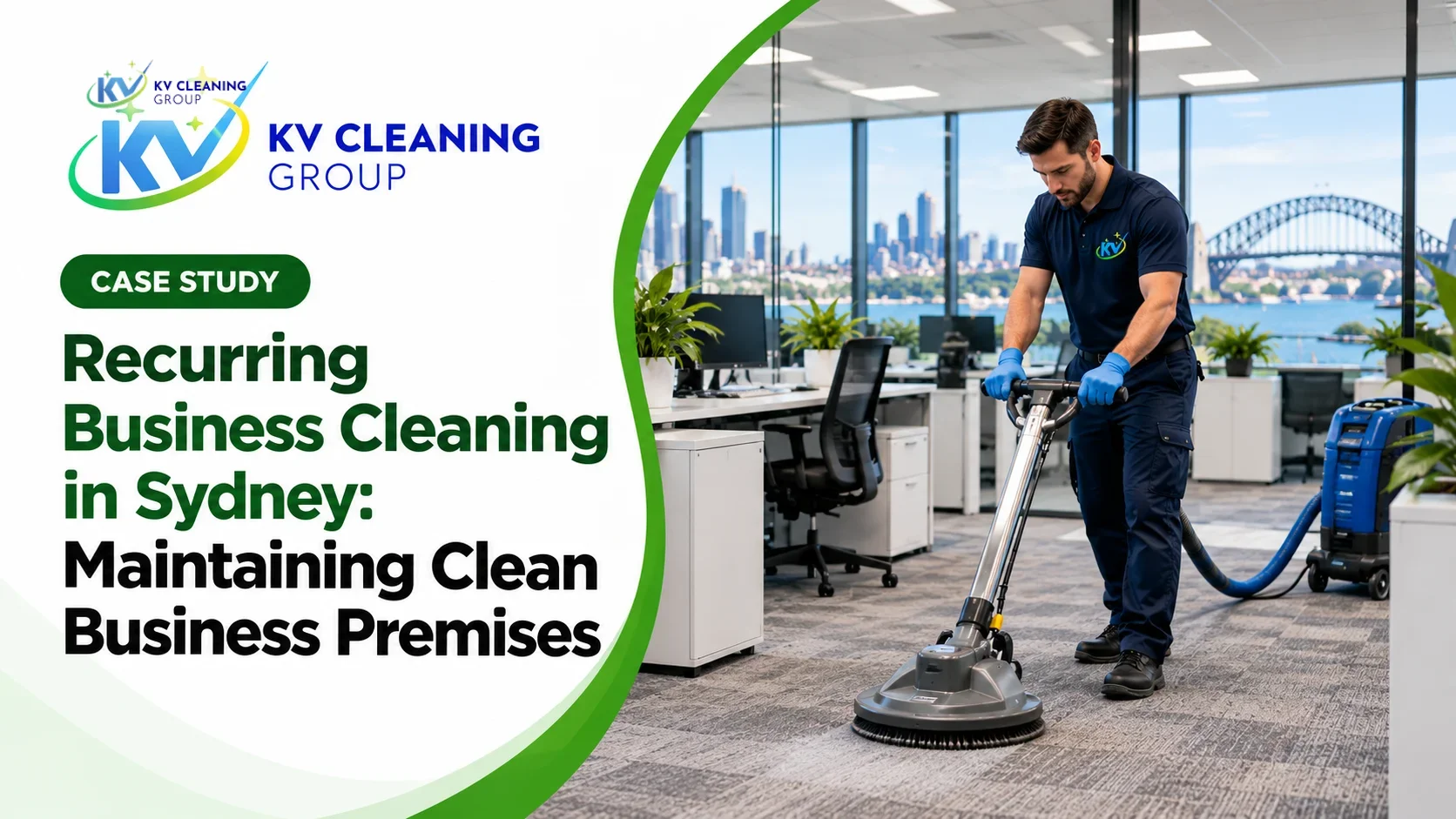
Recurring Business Cleaning in Sydney: Maintaining Clean Business Premises Service: Business CleaningLocation: Sy...
Explore Case Study DetailsHigh-resolution photos showcasing pristine surfaces, sanitized facilities, and attention to detail across Retail Cleaning sites.
Discuss a retail cleaning schedule for your shop, store or shopping-centre tenancy. We can review the areas, access window and cleaning frequency before the scope is confirmed.
Level 2, Suite 239/65-71 Belmore Rd, Randwick NSW 2031, Australia
Phone: +61 485 961 400 View on Google Business Profile
85 Metella Rd, Toongabbie NSW 2146, Australia
Phone: +61 2 8530 7001
View on Google Business Profile
43 The Avenue, Granville NSW 2142, Australia
Phone: +61 2 8530 7001
View on Google Business Profile
Level 4/110 George St, Parramatta NSW 2150, Australia
Phone: +61 485 961 400
View on Google Business Profile
7 Sarsfield St, Blacktown NSW 2148, Australia
Phone: +61 485 961 400
View on Google Business Profile
154 O'Riordan St, Mascot NSW 2020, Australia
Phone: +61 485 961 400
View on Google Business Profile
42 Anderson St, Chatswood NSW 2067, Australia
Phone: +61 485 961 400
View on Google Business Profile