
A warehouse has a busy rhythm: stock arrives, pallets move into storage, orders are picked and packed, and vehicles return to the loading bays. That activity leaves dust along rack edges, cardboard around packing benches, tyre marks on floors and general debris near receiving and dispatch points. A planned cleaning routine gives each part of the facility the attention it needs.
KV Cleaning Group provides warehouse cleaning in Sydney for storage facilities, distribution centres, fulfilment operations and logistics sites. We plan the work around the layout of your warehouse and the way goods move through it, with a written scope for floors, aisles, loading areas, shared facilities and warehouse offices.
Tell us how many shifts you run, when deliveries arrive, which areas stay active and where cleaners can gain access. Those details help us arrange routine visits, periodic detail work or a one-off clean around your operating calendar.
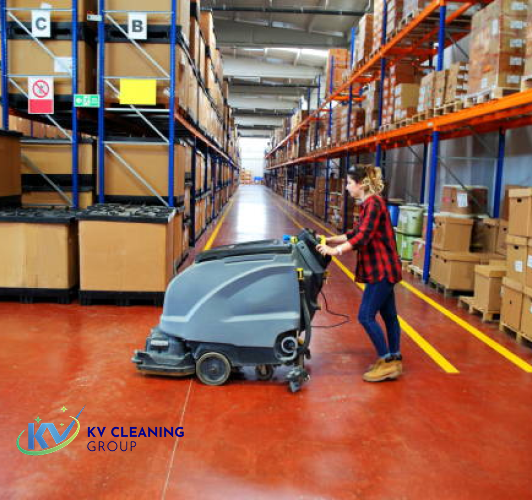
A warehouse cleaning plan works best when the site is divided into working zones. Receiving, bulk storage, picking, packing, dispatch, staff amenities and office areas each have a different level of use and a different cleaning priority.
Depending on the site layout and agreed scope, the cleaning checklist can include:
A clear zone list makes it easier to confirm which tasks are included, how often each area is cleaned and when access is required. See our guide to organising large facilities into practical cleaning zones.
Concrete, sealed concrete and epoxy-coated floors each respond differently to dust, tyre marks, tracked-in dirt and spills. We consider the floor finish, condition, traffic level and type of residue before agreeing on a method such as sweeping, damp mopping, spot treatment or machine scrubbing on suitable surfaces.
A floor-care plan should consider:
For more detail on matching a method to a floor finish, read our guide to choosing cleaning methods for different floor surfaces.
Loading bays connect the warehouse with incoming freight and outgoing orders. Pallet movement, truck access, dock plates and packaging work can leave dust, loose wrap, labels and tracked-in dirt around these points. Including the dock and its approaches in the cleaning plan helps keep these busy zones in the regular housekeeping routine.
The agreed dock checklist may cover:
The site contact can nominate quieter windows between truck arrivals, loading runs and dispatch cut-offs. The team can then clean agreed sections in sequence and coordinate access before reopening each area.
Aisles connect storage, replenishment and picking activity. Dust settles along rack feet and floor edges, while labels, shrink-wrap and small packaging pieces can collect near pick faces. The scope can cover accessible floor areas around:
A zone-based checklist can separate active pick aisles from reserve storage, returns and low-traffic sections. The frequency can then follow how each zone is used.
High-bay buildings have beams, ledges and upper structural surfaces that sit outside the everyday floor-cleaning routine. Dust and cobwebs can collect above storage and circulation areas, so periodic work can be planned for approved elevated surfaces such as:
The site manager should confirm the access method, equipment, exclusion area and timing before elevated work is scheduled. Our article on reducing dust build-up in large work areas offers further housekeeping ideas.
Routine visits look after the areas used every day. A periodic deep clean gives additional time to address floor edges, storage interfaces, less-used sections and accumulated debris that sit outside the regular checklist. It can be scheduled around a stocktake, relocation, seasonal changeover or planned maintenance window.
A detailed warehouse clean can be scoped for:
A warehouse deep clean can stand alone or form part of a recurring plan, with the areas and handover requirements agreed before the work begins.
A compact storage building, a multi-shift distribution centre and an e-commerce fulfilment operation have different traffic patterns. KV Cleaning Group plans the cleaning scope around stock flow, the busiest zones, floor surfaces, amenities and the access windows available at your site.
The result is a clear task list that tells your team which areas are included, how often they are attended and who coordinates access.
When comparing a cleaning provider, ask how the team will work around receiving and dispatch, how the scope separates active traffic routes from cleaning zones, and how the method changes between floor surfaces, amenities and elevated areas.
Ask for the agreed task list, the visit frequency and the process for reporting a missed task or a change in the warehouse layout. Your site contact should know who approves access and who confirms that a cleaned section can return to normal use.
A simple handover record is particularly useful when a warehouse has multiple shifts or managers. Our cleaning handover checklist for site managers explains which details are worth recording between teams.
Set the frequency by looking at how quickly each zone collects dust, packaging and tracked-in dirt. A dispatch lane used throughout the day has a different cleaning pattern from a reserve storage area visited occasionally.
Daily attention can suit busy entrances, amenities, packing spaces and high-use traffic routes.
Weekly tasks can cover lower-use floor sections, accessible ledges and shared areas that need a regular detail clean.
A recurring plan brings daily, weekly and periodic tasks into one site checklist.
Periodic visits provide extra time for nominated storage interfaces, floor edges and elevated surfaces.
A one-off clean can be arranged for a stocktake, layout change, tenancy handover or a specific build-up.
Additional visits can be considered during seasonal order peaks, promotional periods or unusually high dispatch volumes.
Use our guide to separating daily tasks from weekly cleaning when preparing a practical frequency plan.
Warehouse offices, lunchrooms, washrooms and change rooms follow a different pattern from storage aisles and dispatch routes. Staff use these spaces across shifts, so the cleaning checklist should reflect occupancy, shared facilities and the times when each area is available.
Tasks can include wiping tables and accessible surfaces, cleaning sinks and amenities, maintaining floors, emptying general waste and refreshing office or reception areas within the agreed scope. Read more about cleaning for office and business support spaces.
Keep these spaces as a separate zone in the warehouse checklist so the team knows which rooms, amenities and access points are included on each visit.
The cleaning checklist should reflect how goods are received, stored, picked and dispatched at each facility.
High-volume centres use receiving bays, marshalling areas, picking routes and dispatch lanes throughout the day. A zone schedule helps assign cleaning windows around those movements.
3PL sites may handle different customers and stock types under one roof. The task list can identify shared routes, customer-specific areas and access rules for each zone.
Bulk storage buildings often have long aisles and low-traffic sections. Floor edges, aisle ends and access points can be included at suitable intervals.
Pick-and-pack benches, returns areas, carton staging and courier handover points experience frequent use. Cleaning can be timed around order cut-offs and dispatch runs.
Facilities holding components, packaging and finished goods can separate warehouse housekeeping from production-line tasks. For line-side and production-floor work, see our manufacturing and production-area cleaning service.
Trade counters, wholesale stock areas and collection points combine storage with customer and contractor access. Include the public-facing entrance and shared amenities in the agreed scope.
A warehouse timetable often changes across the day. Morning receiving, replenishment, order picking, afternoon dispatch and evening shift handover each create different access windows. Cleaning can be staged around those windows so each agreed zone is available to the cleaning team at the right time.
The site supervisor can nominate a sequence for open floor areas, amenities, packing spaces and dock surrounds, then confirm the handover point before each section returns to normal use. SafeWork NSW also explains how warehouses can separate pedestrians and forklifts and coordinate contractor access in its forklift safety guidance.
For a practical scheduling framework, see our guide to planning cleaning around operating hours.
A consistent routine gives warehouse managers a clear view of the tasks assigned to each area and helps everyday housekeeping keep pace with stock movement.
Regular attention to benches, staging points and nearby floors helps manage cardboard, labels, wrap and general packing debris.
Receiving lanes, dock approaches and pedestrian routes can be assigned a frequency that reflects how often each route is used.
Clean entrances, collection points and shared facilities create a more organised first impression for drivers, suppliers and visitors.
Including floor edges, rack bases and staging areas in the schedule gives loose dust and packaging a regular point of attention.
A written checklist shows which tasks belong to the cleaning visit and which responsibilities remain with warehouse staff.
Agreed task lists and inspection notes help managers review completed work and update the scope when the operation changes.
Share the suburb, building type, stock activity, shift pattern and main cleaning concerns.
Map receiving, storage, picking, packing, dispatch, amenities and office spaces into clear cleaning zones.
Agree the task list, surface method, frequency, inclusions and separately scheduled work.
Set access times around inbound deliveries, order cut-offs, shift changes and site security.
Review the checklist when racking layouts, stock volumes, traffic routes or operating hours change.
Use the agreed checklist to record completed zones, follow-up items and adjustments for the next visit.
Packing operations generate cardboard, stretch-wrap, strapping and label backing. These materials can gather around packing benches, conveyor edges, pallet staging points, returns areas and dock thresholds. Include general waste and recycling locations in the cleaning checklist, along with the collection tasks covered during each visit.
Your site supervisor can identify the procedures for spills, damaged containers and materials requiring specialist handling. Routine cleaning tasks can cover agreed general housekeeping areas, while unexpected chemical or unknown-substance spills should follow the site’s designated response procedure and be handled by authorised personnel.
Sydney’s warehouse network stretches across the Western Sydney employment precincts and the southern freight and airport corridor. NSW Planning’s 2025 Employment Lands Development Monitor records 20,210 hectares of zoned employment land across Greater Sydney, with 194 hectares of employment land taken up during 2024. These figures describe the wider employment-land market, which includes more than warehouses.
The Smithfield–Wetherill Park Industrial Estate alone is home to nearly 3,000 businesses and 20,000 jobs, with connections to the M4 and M7. Warehouse and distribution operations also form part of the business landscape around Eastern Creek, Arndell Park, Blacktown, Seven Hills, Granville, Silverwater, Auburn, Chullora, Botany and Mascot. Share your suburb and facility details so KV Cleaning Group can confirm the service scope and availability for your site.
Use these pages to plan cleaning for different parts of a warehouse or for facilities with connected operational areas.
Reception, administration rooms and staff facilities can sit alongside storage and dispatch areas. Add those shared spaces to the cleaning scope when they form part of your warehouse operation.
Warehouses connected to a production or workshop environment may need a separate scope for process areas, workshop floors and equipment surrounds.
Businesses that manage several facilities can use a consistent review process to compare agreed tasks and identify changes between sites.
Practical answers for warehouse managers planning cleaning around people, stock and equipment.
Yes. Cleaning can be staged around agreed access windows, shift changes and quieter periods. The site contact identifies active forklift routes, delivery movements and zones that must be clear before the team begins.
A checklist can cover receiving bays, storage aisles, picking and packing areas, dispatch lanes, accessible rack surrounds, staff amenities and warehouse offices. Each zone should have its own tasks and frequency.
Set frequency according to traffic, dust, packaging waste, staff numbers and how quickly each area becomes dirty. Busy routes and amenities may need frequent attention, while reserve storage and high-level surfaces can be scheduled periodically.
Accessible rack bases and approved elevated surfaces can be included in the scope. The site must confirm the access method, equipment, exclusion area and timing before high-level work is scheduled.
Provide the suburb, approximate floor area, floor type, warehouse layout, main stock activities, shift and delivery times, priority zones and access requirements. A floor plan or site photographs can help explain the areas to be included.
Share your warehouse suburb, approximate size, layout, operating hours and priority areas. KV Cleaning Group can review the details with you and discuss a cleaning scope for floors, aisles, loading zones, staff facilities and other agreed spaces.
A clear proposal sets out the areas covered, tasks for each visit, cleaning frequency, access arrangements and any periodic work. The final schedule is confirmed with your site contact.
Practical commercial advice, maintenance checklists, and specialized procedures for Warehouse Cleaning across Sydney workplaces.
 Latest Trends
NSW Biological Hazards Code 2026: What Office Managers Should Know About Workplace Cleaning Biological hazards are ofte...
Read Full Article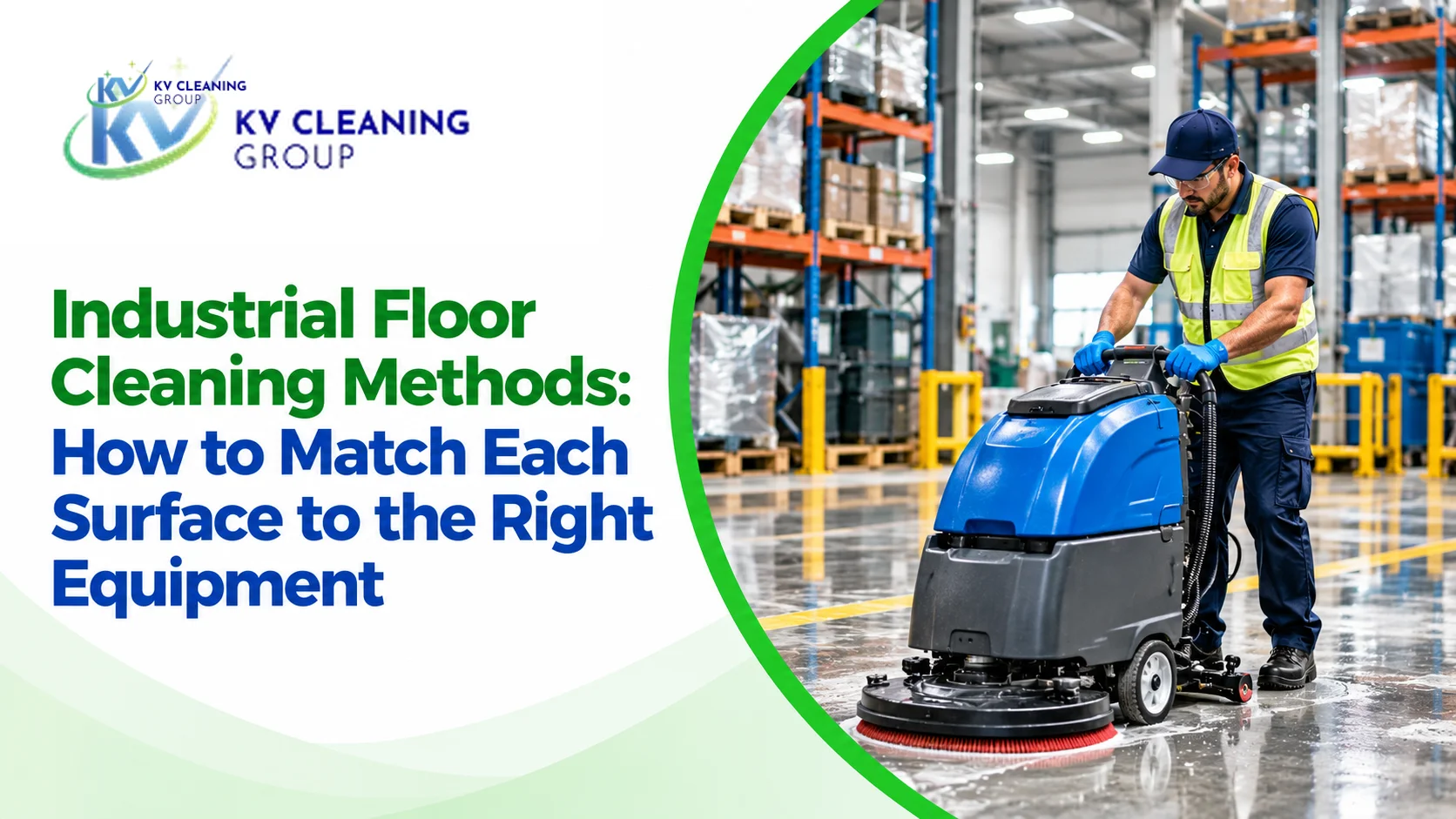 Industry Cleaning
Industrial Floor Cleaning Methods: How to Match Each Surface to the Right Equipment Industrial floors can accumulate du...
Read Full Article Industry Cleaning
What Is the Difference Between Routine Industrial Cleaning and Shutdown Cleaning? Routine industrial cleaning and shutd...
Read Full ArticleExplore real-world challenges, cleaning methodology, and measurable outcomes delivered for clients in Warehouse Cleaning.
 Business Cleaning
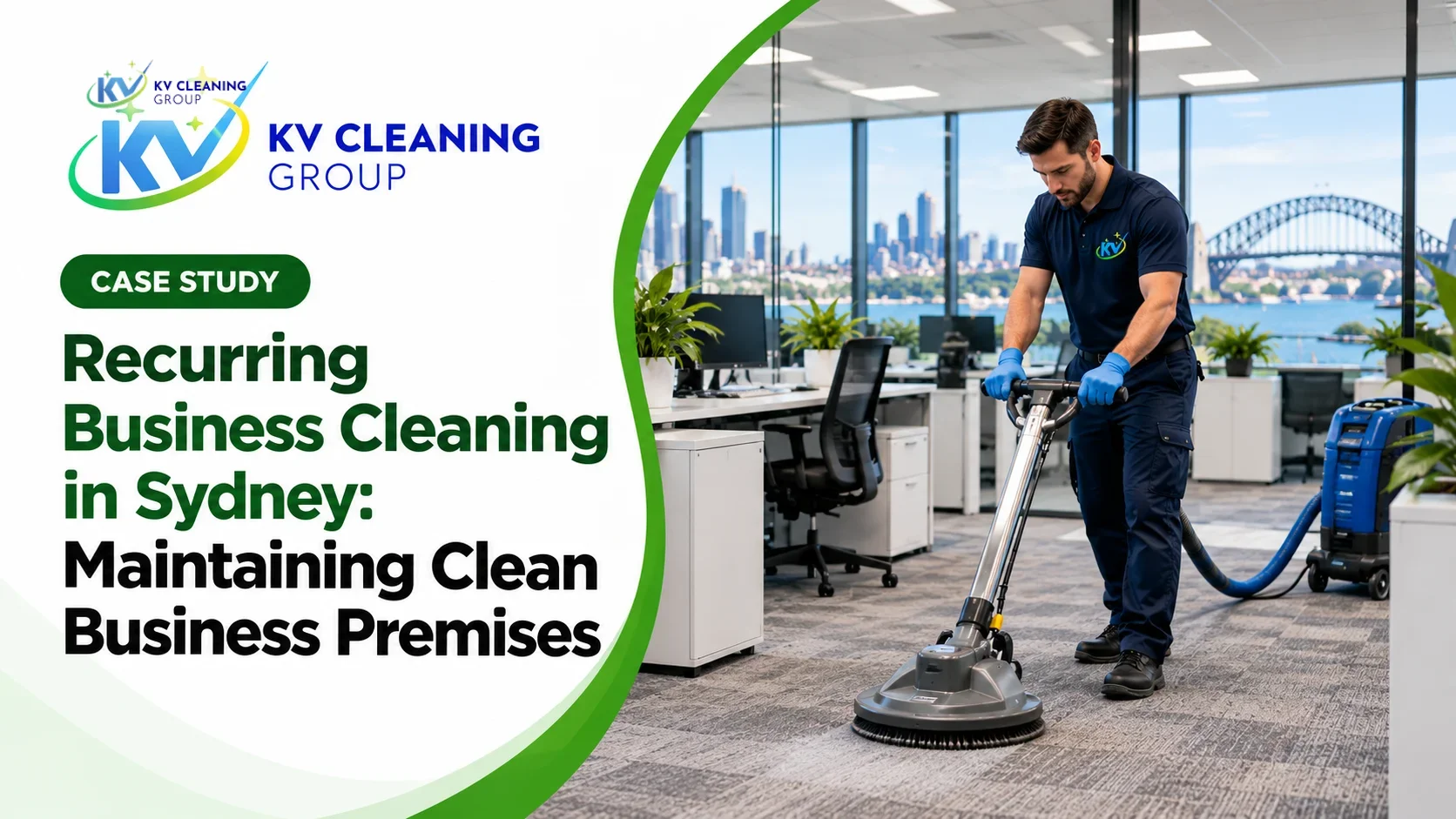
Recurring Business Cleaning in Sydney: Maintaining Clean Business Premises Service: Business CleaningLocation: Sy...
Explore Case Study DetailsHigh-resolution photos showcasing pristine surfaces, sanitized facilities, and attention to detail across Warehouse Cleaning sites.
Discuss a warehouse cleaning plan built around your storage layout, stock movement, loading windows and site requirements.
Level 2, Suite 239/65-71 Belmore Rd, Randwick NSW 2031, Australia
Phone: +61 485 961 400 View on Google Business Profile
85 Metella Rd, Toongabbie NSW 2146, Australia
Phone: +61 2 8530 7001
View on Google Business Profile
43 The Avenue, Granville NSW 2142, Australia
Phone: +61 2 8530 7001
View on Google Business Profile
Level 4/110 George St, Parramatta NSW 2150, Australia
Phone: +61 485 961 400
View on Google Business Profile
7 Sarsfield St, Blacktown NSW 2148, Australia
Phone: +61 485 961 400
View on Google Business Profile
154 O'Riordan St, Mascot NSW 2020, Australia
Phone: +61 485 961 400
View on Google Business Profile
42 Anderson St, Chatswood NSW 2067, Australia
Phone: +61 485 961 400
View on Google Business Profile