Daily cleaning keeps a workplace usable, but it does not always cover every build-up point. Grime can remain along floor edges, beneath movable furniture, around fixtures, inside washroom detail areas and on accessible high-level surfaces. A planned deep clean gives these areas focused attention using methods suited to the surface and the type of soil.
KV Cleaning Group provides deep cleaning services in Sydney for commercial premises, from offices and gyms to warehouses, factories and hospitality venues. The work may be arranged as a one-off deep cleaning service or as periodic detail work alongside an existing cleaning schedule. We confirm the priority areas, surface types, access conditions and required outcome before preparing the scope, so the work is based on the site rather than a generic checklist.
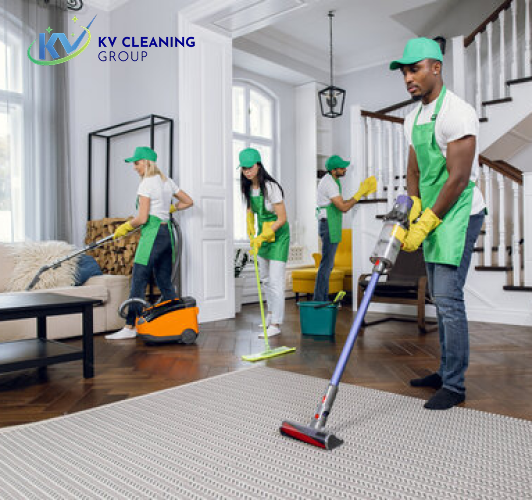
A commercial deep clean is a defined set of additional tasks, not simply a longer version of the daily checklist. Depending on the building, surfaces, condition and safe access, the scope may include:
Not every task is suitable for every site. The final scope should identify what is included, which surfaces need specialist treatment and any work that requires separate equipment, permits or a qualified trade.
Routine cleaning is designed to keep frequently used areas in order: bins, floors, accessible benches, washrooms and shared spaces. Deep cleaning is planned separately for work that takes longer or needs a different method, for example:
A deep clean does not replace the daily or weekly work needed to manage new spills, waste and everyday soil. It addresses specific build-up, while the routine plan helps prevent the same areas from deteriorating again. Review our business cleaning services for recurring workplace requirements and our pricing information to understand what affects a quote.
Commercial deep cleaning services in Sydney need to reflect how each property is used. An office, logistics warehouse, gym and restaurant do not collect the same soil or have the same access requirements. A site-specific scope may be appropriate for:
Before booking, identify the surfaces, operating hours, restricted rooms and site procedures. For ongoing daily tasks, see our business cleaning checklist for different work areas; use the deep-clean scope to list the periodic detail tasks separately.
Commercial deep cleaning is useful when a business needs a reset of specific areas without treating the whole premises as an identical job. In a multi-level office, for example, the entrance, lift lobby, shared kitchen and washrooms may need different methods and access windows. Agreed tasks may include:
Where carpet extraction, external glass, floor stripping or specialist restoration is needed, confirm whether it is included or should be quoted as a separate task. If carpet extraction is also required, review our commercial carpet cleaning service and confirm whether it should be scheduled separately.
Office deep cleaning gives attention to places that are easy to miss during a normal shift change or evening clean. The scope can include:
Personal desks, computers, cables and confidential documents should be left untouched unless the client has clearly authorised the task. Agree the cleaning window, alarm process and room access before the visit. See our office cleaning services in Sydney for recurring workplace maintenance, and our office kitchen cleaning checklist for shared food-preparation areas.
Warehouse deep cleaning needs to account for forklift movement, pedestrian routes, pallet storage and delivery schedules. A suitable scope may focus on:
Ride-on or walk-behind scrubbers, industrial vacuums and degreasing methods may be considered where the floor and soil type allow. Racking at height, stock movement and machinery zones require specific access approval; do not assume they are included in a standard floor clean. See our warehouse cleaning services in Sydney and guide to planning cleaning around industrial operations.
In factories and workshops, dust, process residue, oil marks and packaging debris can collect around production areas. Industrial deep cleaning must be planned with the site supervisor and must never interfere with live machinery or production controls. Depending on the approved work area, tasks may include:
Agree isolation requirements, permits, inductions, exclusion zones and any items that must not be moved before work starts. Hazardous dust, asbestos, chemical spills, confined spaces and internal machinery cleaning may require specialist assessment or a licensed contractor; they should not be treated as ordinary housekeeping. Explore our industrial cleaning services and factory cleaning services for the wider site-maintenance scope.
Retail stores often need detailed cleaning without leaving wet floors or equipment in customer circulation areas. A planned clean may cover:
Schedule floor work around deliveries, merchandising and trading hours, and allow surfaces to dry before the area reopens. For recurring retail maintenance, see our retail cleaning services.
Gyms have a mix of rubber flooring, mats, metal equipment, mirrors, vinyl upholstery and wet-area surfaces. A gym deep clean should use a method compatible with each material and the equipment maker's care instructions. Agreed areas may include:
Equipment should be taken out of use where required and cleaned only with products approved for its finish. A planned gym deep cleaning service in Sydney can be timed around class timetables or quieter trading windows; ask about gym cleaning services for ongoing upkeep.
Restaurant deep cleaning has to distinguish food-contact surfaces from floors, walls, dining furniture and general back-of-house areas. Grease, food residue and spills should be removed using products suitable for the surface and the venue's food-safety procedures. Agreed tasks may include:
For food businesses, cleaning and sanitising are separate steps: remove soil and grease first, then sanitise the clean food-contact surface using an appropriate product and its stated contact time. The NSW Food Authority gives 77°C for 30 seconds as one heat-sanitising example for utensils; it is not a universal instruction for every surface. Follow the venue's documented procedure and the product label. Read the NSW Food Authority guide to cleaning and sanitising food businesses and our restaurant cleaning services in Sydney.
Education and childcare environments combine classrooms, activity spaces, amenities and shared touchpoints. The facility should identify any child-access restrictions, product requirements and rooms that need to remain unavailable until dry. An agreed scope may include:
Plan work for weekends, term breaks or agreed low-occupancy periods where practical. Confirm the approved products, drying time, room release process and any site-specific cleaning or infection-control procedures with the facility manager.
Medical centres and allied-health premises may have defined environmental-cleaning protocols, clinical zones and privacy requirements. A commercial deep-clean scope must be limited to tasks approved by the facility and must not be presented as a substitute for specialised clinical or terminal cleaning. Agreed non-clinical areas may include:
The facility manager should confirm product compatibility, room access, required sequence, cleaning records and any specialist contractor obligations before the scope is accepted.
In strata buildings and managed commercial properties, deep cleaning can target areas that accumulate marks or residue through repeated resident, tenant and visitor use. The agreed scope may include:
Confirm responsibility with the strata manager or building manager, especially where the building has multiple owners, tenants or contractors. For recurring shared-area upkeep, review our strata cleaning services in Sydney and define which common areas are included.
Touchpoints collect fingerprints and everyday soil, but the correct treatment depends on the surface and the purpose of the clean. The agreed list may include:
Cleaning removes soil; sanitising or disinfecting is a separate treatment and should be used only where the site procedure and product instructions call for it. Do not apply a chemical to electronics, coated finishes or food-contact surfaces unless the product is approved for that use.
Dust often settles on ledges, vents, door tops, behind movable furniture and around fixtures that are not part of every routine visit. Where access is safe and approved, the scope may include:
Do not improvise access with unstable ladders or clean above active work areas without suitable controls. Where hazardous chemicals are used, SafeWork NSW advises workplaces to obtain current safety information, maintain the relevant chemical register and make safety data sheets accessible to workers. Safe Work Australia also notes that manufacturers and importers must review safety data sheets at least every 5 years; workplaces should still ensure the current copy is available to exposed workers. Review the SafeWork NSW hazardous chemical requirements and Safe Work Australia safety data sheet guidance, and follow site risk controls.
Professional deep cleaning starts with a site-specific scope, not a list of tasks that assumes every building is the same. The floor finish, soil type, amount of furniture, water access, ventilation and available cleaning window all affect the method and sequence. In Sydney, a CBD office tower, an Eastern Suburbs fitness studio and a Western Sydney distribution warehouse will have very different access and operating constraints.
Before work begins, identify the areas to be cleaned, the condition of the surfaces, any sensitive finishes, the location of power and water points, and how people or deliveries move through the site. A walkthrough or floor plan can help identify exclusions, traffic routes and areas that must remain operational.
Agree on the order of work, signage, wet-floor controls, waste handling and the person authorised to release each area. If the site changes during the job, pause and confirm the revised scope rather than extending the work into an unapproved area.
When comparing a deep cleaning company in Sydney, look beyond a broad promise of a “top-to-bottom” clean. Ask for an area-by-area scope, surface-appropriate methods, access controls, exclusions and a practical way to review the finished work. A provider should be able to explain which tasks are included and which need separate equipment or a specialist contractor. Deep cleaning may be arranged for:
Confirm that the quotation records the location, surfaces, tasks, timing, inclusions and exclusions. Ask whether high-level work, carpet extraction, external glass, equipment interiors or hazardous-material removal are excluded or require a separate provider.
Ask how completed tasks will be checked and who can approve changes on the day. You can review our case studies for available project context and browse our cleaning articles for practical planning guidance.
Timing affects both the cleaning method and how much of the premises can be isolated. Offices may prefer early mornings or evenings; restaurants often need a window between service periods; warehouses may need work coordinated with dispatch peaks, forklift activity or shift changeovers. Confirm the actual access window before agreeing to a start time.
Confirm keys, alarms, swipe-card access, inductions, permits, escort requirements and restricted zones in advance. For more planning considerations, see our guide to planning cleaning around business operating hours.
For a large site, divide the work into agreed zones and record which areas are unavailable during each stage. This helps staff, tenants and contractors understand the sequence without assuming the entire building can be closed at once.
A one-off deep clean is useful when a specific event or condition calls for extra detail beyond the current routine schedule. Common examples include:
State the reason for the clean when requesting a quote. A post-fit-out clean may need fine dust removal and detail around newly installed fixtures, while a one-off washroom or floor clean may be much narrower. Do not assume builders' residue, adhesive removal or specialist restoration is included unless it is listed.
Periodic deep cleaning addresses tasks that do not need to be repeated on every routine visit. Instead of choosing a frequency by habit, review how quickly soil returns, how the area is used and the condition of the surfaces. A plan might include:
There is no universal deep-clean interval for every commercial property. A high-traffic food venue, a low-occupancy office and a distribution warehouse collect different types and levels of soil. Review the condition after each cycle and adjust the task list where the evidence shows a change is needed.
A well-scoped deep clean helps address accumulated soil in places that routine work may not reach, supports the presentation of customer and staff areas, and gives managers a defined way to review periodic tasks. Results depend on the surface, the type of residue and whether the selected method is suitable.
Targets visible build-up on entrances, floors, fixtures and shared spaces that shape a visitor's first impression.
Provides extra time for soil, grease and residue that are not removed by the normal task list.
Directs attention to entrances, corridors, loading zones and other areas affected by repeated traffic.
Includes agreed edges, ledges, frames and accessible areas that are not part of every visit.
Gives washrooms, staff kitchens, change rooms and common facilities a more detailed clean.
Helps prepare selected spaces for reopening, handover, seasonal use or a change in occupancy.
A clear sequence helps reduce missed areas and avoid working across occupied or restricted spaces. The steps below can be adapted to the property and the work authorised.
Identify the property type, floor finishes, soil build-up, priority areas, access points and any site-specific hazards.
List the rooms, surfaces, tasks, exclusions, required finish and any work that needs separate approval or a specialist contractor.
Sequence the areas around staff movement, deliveries, production schedules and required isolation or drying periods.
Complete the approved tasks using a method compatible with the surface, residue, chemical directions and workplace procedures.
Review the finished areas against the task list, note any inaccessible or excluded items and agree any follow-up.
Use the condition of the site and recurring findings to decide which detail tasks should be repeated and which belong in routine cleaning.
A CBD office tower, a hospitality venue around Randwick or Mascot, a North Shore workplace near Chatswood and a warehouse or workshop around Parramatta, Granville, Toongabbie or Blacktown do not have the same cleaning challenges. Floor finishes, food-handling procedures, customer flow, deliveries and site access all change what can be cleaned and when. The scope should reflect the actual property rather than copy the same checklist across every Sydney location.
After completion, compare the result with the agreed scope. Record any rooms that could not be accessed, items requiring separate treatment and areas where build-up returns quickly. That information can be used to adjust the next periodic visit without adding unnecessary tasks.
KV Cleaning Group works with businesses seeking planned cleaning support for commercial premises across Sydney. Local requirements can differ between CBD offices, Eastern Suburbs hospitality venues, North Shore workplaces and Western Sydney warehouses or industrial sites. The property address, access conditions and requested work all need to be confirmed before availability can be advised.
When enquiring, provide the suburb, premises type, approximate floor area, main surfaces, priority zones, preferred timing and any induction, security or safety requirements. Check our Sydney service areas or contact KV Cleaning Group to discuss the proposed scope.
Practical answers about the scope, timing and planning of commercial deep cleaning.
It depends on the site. A scope may cover detailed floor care, edges, skirting, doors, washrooms, staff kitchens, touchpoints and accessible fixtures. Ask for each area and any exclusions to be listed before work begins.
Routine cleaning handles recurring tasks such as floors, bins, benches and amenities. Deep cleaning adds planned time for build-up, edges, fixtures or less frequently serviced areas. It normally works alongside, rather than instead of, routine cleaning.
Price is affected by floor area, surface condition, soil level, access, equipment needs, timing and the agreed task list. A warehouse with large floor zones will be scoped differently from a small office or restaurant. Request a quote based on the actual site.
It may be possible to arrange work before opening, after closing or during a quieter period, depending on the site and team availability. Confirm access, alarms, supervision and drying time before the booking is finalised.
Yes, subject to the approved scope and site conditions. Warehouse and industrial work may involve floors, walkways, loading areas, amenities and accessible surrounds. Active machinery, hazardous materials, confined spaces and restricted production zones require separate assessment and approval.
Provide the Sydney suburb, facility type, approximate size, floor and surface types, priority areas, visible build-up, preferred cleaning window and any security, induction or safety rules. Photos or a floor plan can help explain the scope if they do not disclose confidential information.
Need deep cleaning in Sydney for an office, warehouse, gym or hospitality premises? Share the site location, approximate size, areas requiring attention and preferred access window. KV Cleaning Group can review the requirements and discuss a scope-specific quotation.
Provide the property address or suburb, floor area, surface types, priority zones, access window and any site procedures. This helps clarify what is required before a proposal is prepared.
Practical commercial advice, maintenance checklists, and specialized procedures for Deep Cleaning across Sydney workplaces.
 Latest Trends
NSW Biological Hazards Code 2026: What Office Managers Should Know About Workplace Cleaning Biological hazards are ofte...
Read Full Article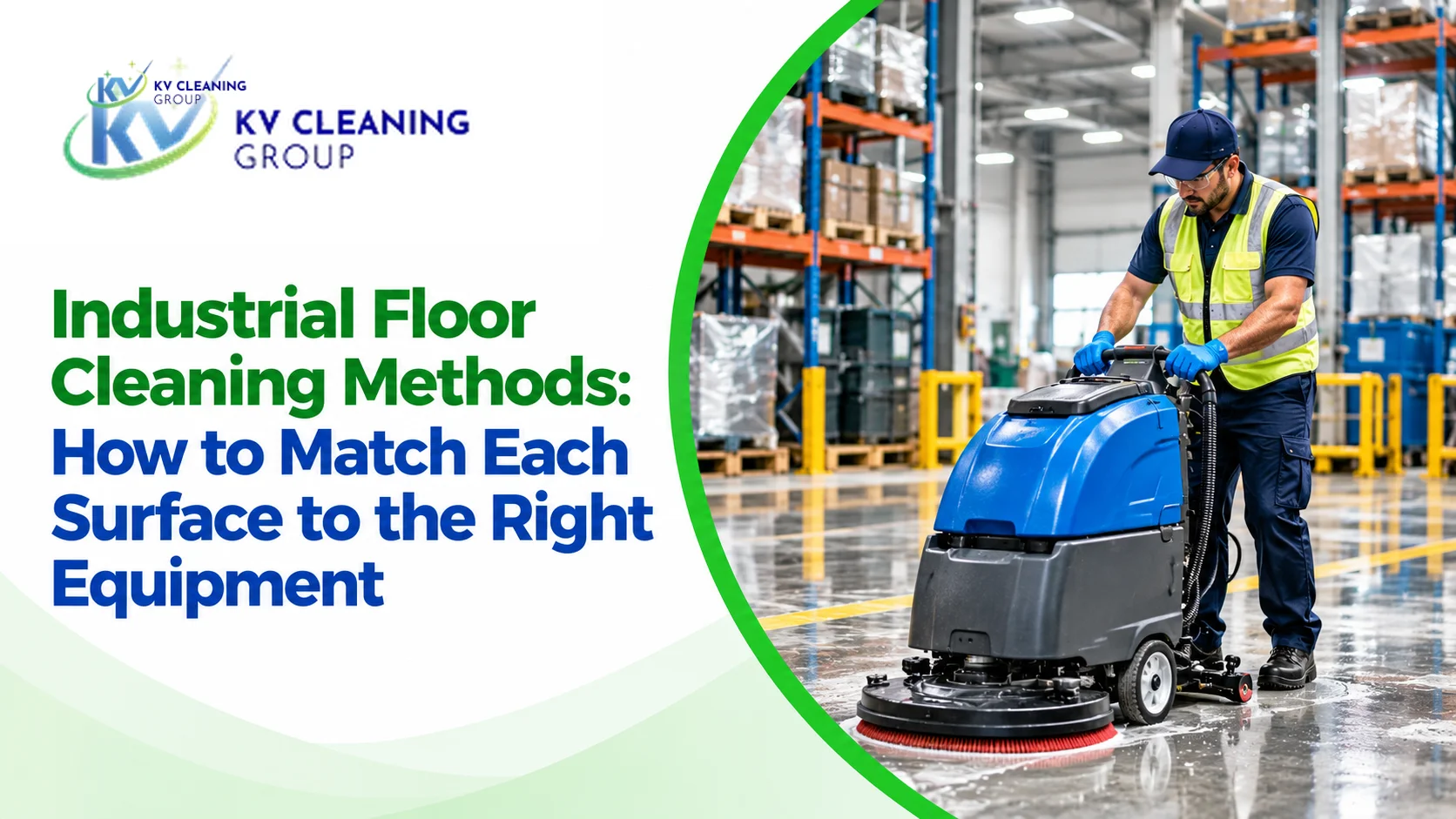 Industry Cleaning
Industrial Floor Cleaning Methods: How to Match Each Surface to the Right Equipment Industrial floors can accumulate du...
Read Full Article Industry Cleaning
What Is the Difference Between Routine Industrial Cleaning and Shutdown Cleaning? Routine industrial cleaning and shutd...
Read Full ArticleExplore real-world challenges, cleaning methodology, and measurable outcomes delivered for clients in Deep Cleaning.
 Business Cleaning
Recurring Business Cleaning in Sydney: Maintaining Clean Business Premises Service: Business CleaningLocation: Sy...
Explore Case Study DetailsHigh-resolution photos showcasing pristine surfaces, sanitized facilities, and attention to detail across Deep Cleaning sites.
Tell us which areas need detailed attention, how your premises operates and when access is available. Request a quote for a commercial deep clean planned around your Sydney site.
Level 2, Suite 239/65-71 Belmore Rd, Randwick NSW 2031, Australia
Phone: +61 485 961 400 View on Google Business Profile
85 Metella Rd, Toongabbie NSW 2146, Australia
Phone: +61 2 8530 7001
View on Google Business Profile
43 The Avenue, Granville NSW 2142, Australia
Phone: +61 2 8530 7001
View on Google Business Profile
Level 4/110 George St, Parramatta NSW 2150, Australia
Phone: +61 485 961 400
View on Google Business Profile
7 Sarsfield St, Blacktown NSW 2148, Australia
Phone: +61 485 961 400
View on Google Business Profile
154 O'Riordan St, Mascot NSW 2020, Australia
Phone: +61 485 961 400
View on Google Business Profile
42 Anderson St, Chatswood NSW 2067, Australia
Phone: +61 485 961 400
View on Google Business Profile